Passenger Counting

Real-time access to passenger and location data.

Information about the use of a fleet of vehicles is crucial for public transport companies. The automated collection, processing, and communication of meter readings, gate events, and location data, as well as the precise determination of driving and stopping times, allows for the extraction of actionable data. This makes route and travel planning optimization simple and reliable.
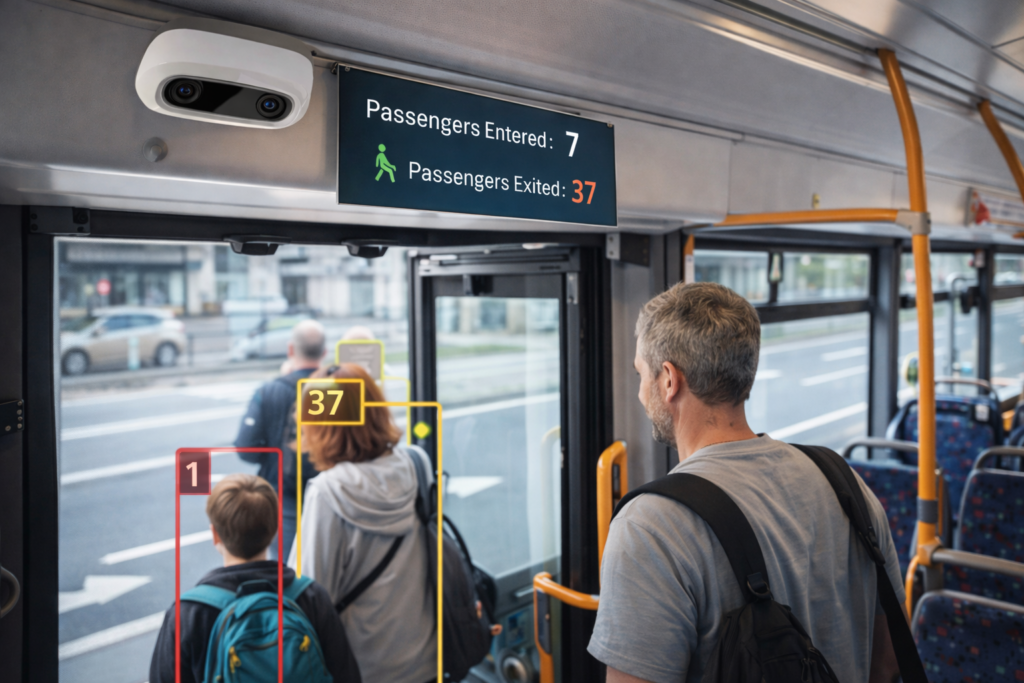
Our passenger counting modules accurately record the number of boardings and alightings. This means you are always aware of who is using your buses and trains and at what times. You can incorporate this data into your business decisions; together with an intelligent fleet management system such as a BIS system, it is available in real-time with live data.

Our Advantages in Bus and Rail Systems

Smart 3D sensors with stereoscopic cameras for precise counting.

Interfaces: Ethernet, RS 485 available as an alternative.

Supported standards: VDV 300, VDV 301.

Certifications: CE, EN-50155, e-certificate.

Connection with MediaController for precise stop assignment via GPS.

Easy integration into existing vehicle systems. Easy installation.

Very high availability.

Data Acquisition and Preparation

Passenger counts including boarding/disembarking and category counting (if applicable)

Recording of movement of people on the network or in vehicles

Simple assessments based on raw data

Automatic transmission of counting results and status data

Data preparation and provision for download or automatic email sending

Standard interfaces and formats for data transfer to assessment software (automatic) (CSV, XML, VDV 457-2)
Sensors

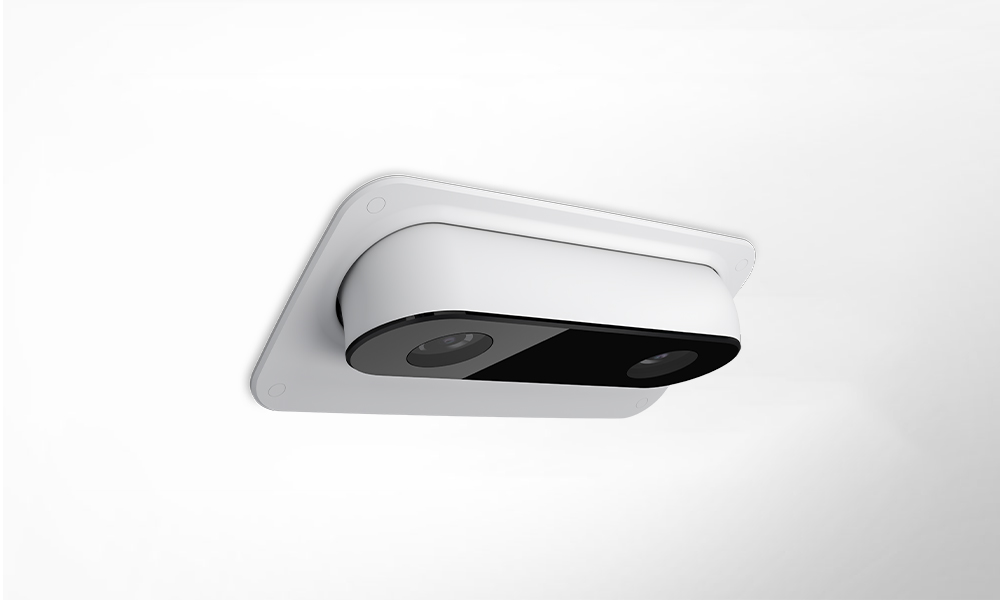
APS-B Surface-Mounted Variant

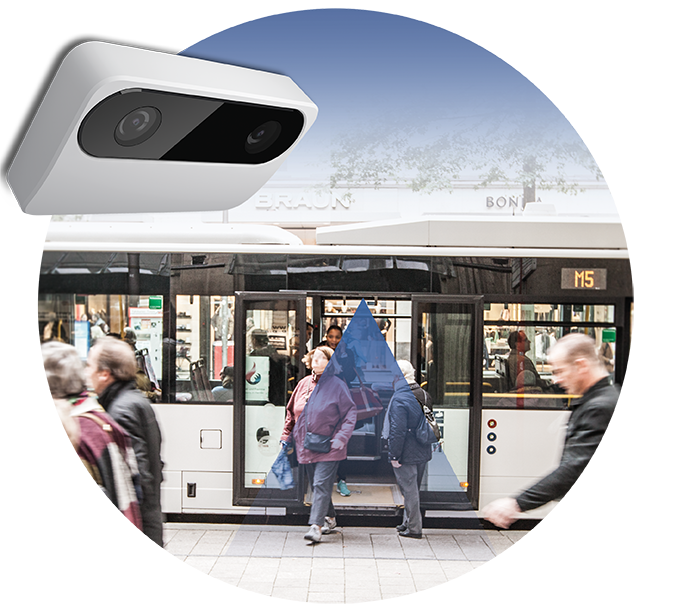
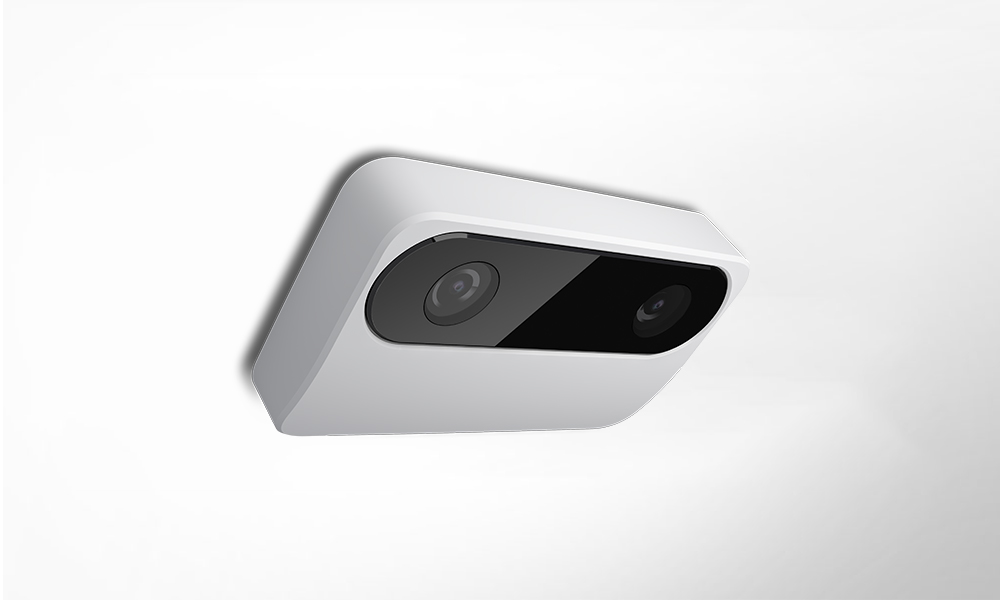
The modern counting sensor in the body version is used to record the number of passengers boarding and alighting. It is ideal for passenger counting on buses, trains, and other public transport vehicles.

The APS-B sensor in the integrated version represents the latest generation of intelligent counting sensors. Thanks to its high-precision counting accuracy, it meets the requirements of the VDV 457-2. It uses highly automated and very reliable object recognition and 3D image processing algorithms to analyze human flow. A counting accuracy of over 99% is achieved. The APS-B sensor enhances ease of use, maximizes new remote connection options, and automates many processes that typically require manual intervention. Its slim design makes it ideal for use on buses.

As a result, labor costs for the installation, commissioning, and operation of conventional APC units can be reduced. Additional accessories may be required.

Image includes component parts.

APS-B Installation Sensor

  • Application area data bus
  • Accuracy 99%
  • Operating voltage 12 V DC – 24 V DC (short circuit and reverse polarity protection)
  • Power consumption 4W
  • Operating temperature range -15 °C to +70 °C (ISO 16750-4)
  • Storage temperature -40 °C to +85 °C (ISO 16750-4)
  • Protection class IP30
  • Shock and vibration resistance ISO 16750-3
  • Measurement range (ceiling height: 2.00 m – 4.00 m // door width: 1.60 m – 5.60 m) – (depending on door height)
  • Dimensions: 136 x 79 x 31 mm
  • Weight 250g
  • Aluminum and stainless steel housing
  • Light sensitivity 3 From Lux to 300,000 Lux // High Dynamic Range (HDR)
  • Failure Rate 2000 FIT (= MTBF 500,000 hours)
  • Approvals ECE type approval for road vehicles // CE conformity certificate

Interfaces

  • Ethernet 10/100/1,000 Mbit/s, full duplex
  • Communication Protocols TCP, UDP, FTP, HTTP, HTTPS, SOAP, VDV-300 (IBIS), VDV-301 (IBIS-IP), ITxPT, SSH
  • Inputs/Outputs 2 programmable digital inputs // 1 programmable digital output
  • Installation/Service Integrated web interface

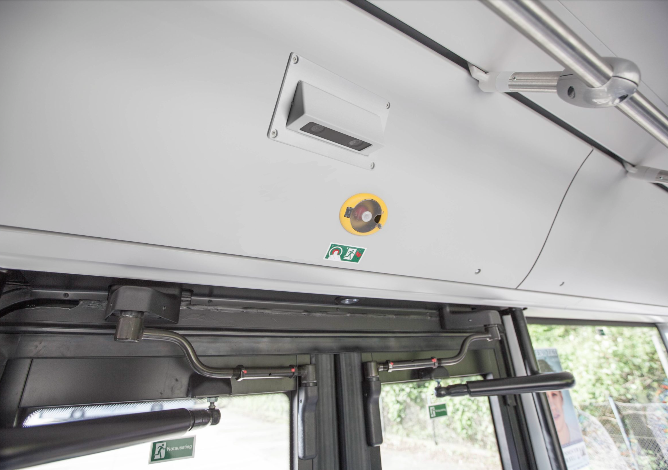
APS-B Flush-Mount Variant

The modern APS-B passenger counting sensor (integrated version) is used to record the number of boarding and alighting passengers. It is ideal for passenger counting in buses, trains, and other public transportation systems.

The APS-B sensor represents the latest generation of intelligent passenger counting sensors. With its high-precision counting accuracy, it complies with the requirements of the VDV 457-2 standard. To analyze passenger flow, the system uses highly automated and reliable object recognition and 3D image processing algorithms, achieving a counting accuracy of over 99%. The APS-B sensor improves ease of use, maximizes remote connectivity options, and automates many processes that traditionally require manual intervention. Its slim design makes it particularly suitable for installation in buses.

As a result, installation, commissioning, and operating costs of conventional APC (Automatic Passenger Counting) units can be significantly reduced. Additional accessories or components may be required.

The system includes image processing components.

APS-B Installation Sensor

  • Application area: Data bus
  • Accuracy: 99%
  • Operating voltage: 12 V DC – 24 V DC (protection against short circuits and reverse polarity)
  • Power consumption: 4W
  • Operating temperature range: -15 °C to +70 °C (ISO 16750-4)
  • Storage temperature range: -40 °C to +85 °C (ISO 16750-4)
  • Protection class: IP30
  • Shock and vibration resistance: ISO 16750-3
  • Measurement range (ceiling height: 2.00 m – 4.00 m // door width: 1.60 m – 5.60 m) – (depending on door height)
  • Dimensions: 136 x 79 x 31 mm
  • Weight: 250g
  • Housing: Aluminum and stainless steel
  • Light sensitivity: From 3 Lux 300,000 Lux // High Dynamic Range (HDR)
  • Failure Rate 2000 FIT (= MTBF 500,000 hours)
  • Approvals ECE type approval for road vehicles // CE conformity certificate

Interfaces

  • Ethernet 10/100/1,000 Mbit/s, full duplex
  • Communication Protocols TCP, UDP, FTP, HTTP, HTTPS, SOAP, VDV-300 (IBIS), VDV-301 (IBIS-IP), ITxPT, SSH
  • Inputs/Outputs 2 programmable digital inputs // 1 programmable digital output
  • Installation/Service Integrated web interface

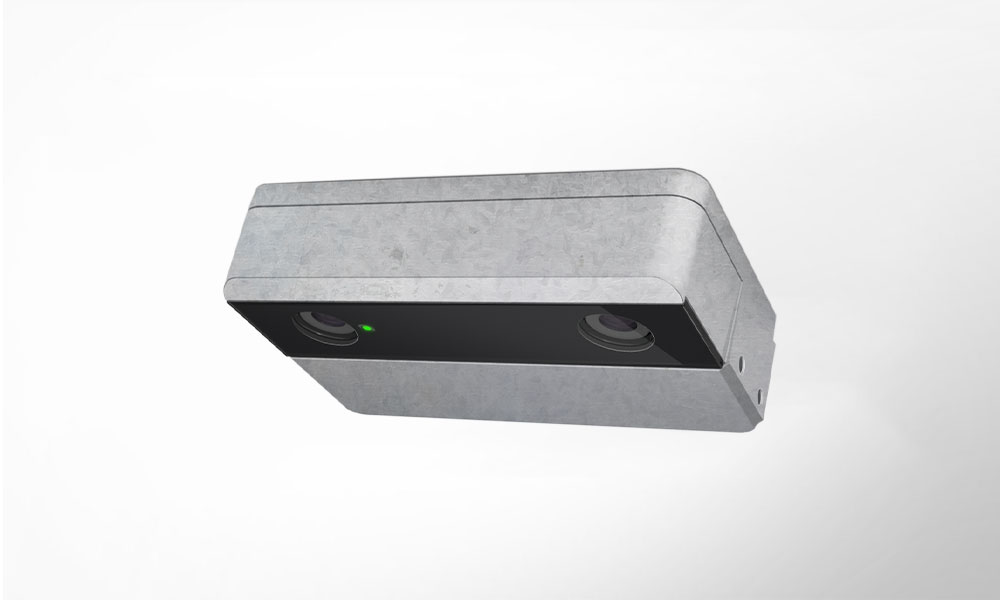
APS-R-PoE

The modern APS-R-PoE sensor variant is designed to record the number of boarding and alighting passengers. It is ideally suited for passenger counting in buses, trains, and other public transportation systems.

The APS-R-PoE passenger counting sensor uses advanced 3D image processing algorithms to analyze passenger flow in real time. The system achieves a counting accuracy of 99% or higher, providing one of the highest levels of accuracy available on the market. The APS-R-PoE meets the VDV 457-2 accuracy requirements.

Each device supports up to 10 separate counting lines, allowing individual door entrances or different vehicle areas such as upper and lower decks to be recorded separately without the need for additional devices.

The APS-R-PoE improves ease of use, maximizes remote connectivity options, and automates many operational processes. The sensor is capable of distinguishing adults from children, and it can also detect bicycles and wheelchairs.

The sensor automatically determines the installation angle, floor profile, and ceiling height. All other parameters can be configured easily and intuitively through the web-based user interface.

As a result, the installation, commissioning, and operating costs of conventional APC (Automatic Passenger Counting) systems can be significantly reduced.

Additional components may be required.

APS-R PoE

  • Application: Bus, train, tram, subway
  • Accuracy: 99%
  • Operating voltage: Power over Ethernet (PoE), IEEE 802.3af class 0 (short circuit and reverse polarity protection)
  • Power consumption: 5W
  • Operating temperature range: -25°C to +70°C (EN 50125-1 class T3)
  • Storage temperature range: -40°C to +85°C (EN 50125-1 class T3)
  • Protection class: IP65
  • Shock and vibration resistance: EN 50125-1, IEC 61373 cat. Class 1, Class B
  • Measurement range (ceiling height: 2.00 m – 4.00 m // door width: 1.60 m – 5.60 m) – (depending on door height)
  • Dimensions: 141 x 98 x 35 mm
  • Weight: 440g
  • Housing: Aluminum
  • Light intensity: 3 Lux to 300,000 Lux // High Dynamic Range (HDR)
  • Failure rate: 2000 FIT (= MTBF 500,000 hours)
  • Approvals: ECE type approval for road vehicles // CE conformity certificate // 50155 railway approvals

Interfaces

  • Ethernet 10/100 Mbit/s, full pair
  • Communication protocols: TCP, UDP, FTP, HTTP, HTTPS, SOAP, VDV-300 (IBIS) VDV-301 (IBIS-IP), ITxPT, SSH
  • Inputs/Outputs: 2 programmable digital inputs // 1 programmable digital output
  • Setup/Service: Integrated web interface
  • Door coding: 4 coding pins for selecting 16 separate door configurations
Scroll to Top